

DEAFinitelyDope
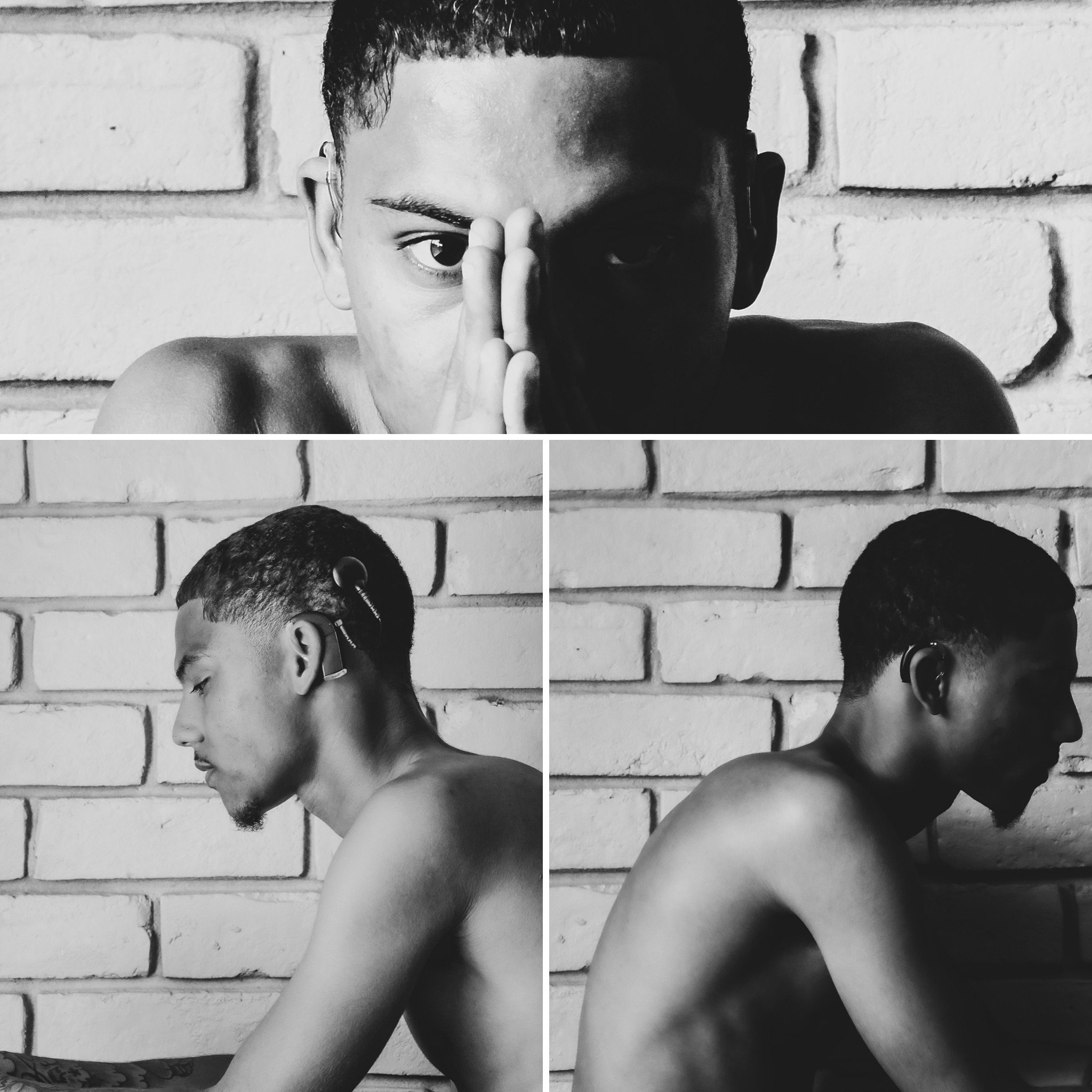
Unheard, Unbroken
Hearing Without Sound: My Deafness Story
How Patrick became deaf — and how he embraces the everyday ups and downs of hearing loss.
“I didn’t plan on becoming deaf. Life chose that path for me. Growing up, I had to learn how to navigate a world built for hearing — even when I couldn’t always hear it myself. Deafness isn’t easy; it comes with invisible battles. Every day brought new challenges, frustrations, and lessons. But over time, deafness stopped feeling like something broken. It became part of my strength — giving me a sharper lens on life, the gift to create, and the ability to connect with people beyond just words and sound. Deafness made me the storyteller I am today.”
- Patrick “P.T.V.” Jones
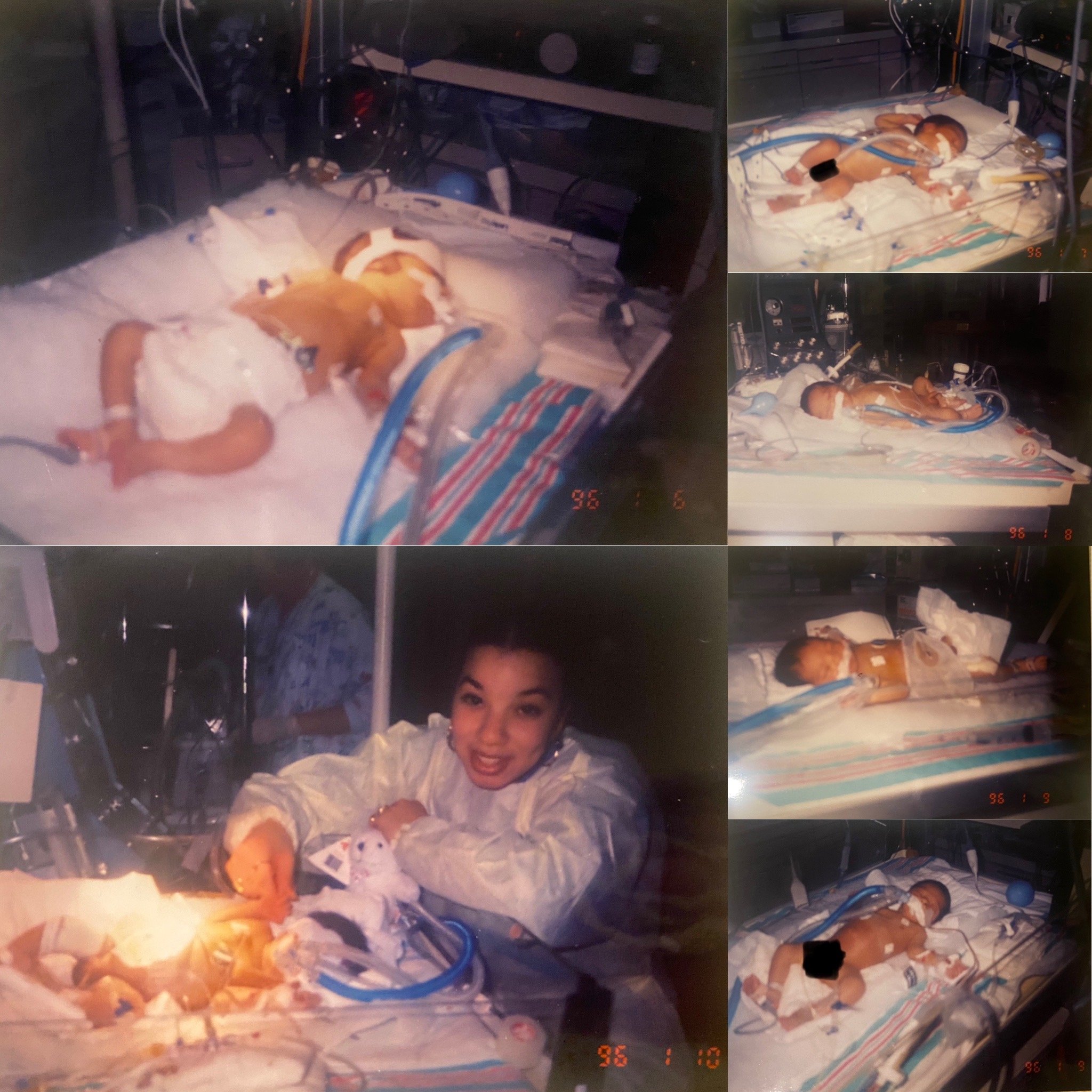
“I wasn’t born deaf —
I was placed in NICU (Neonatal Intensive Care Unit) for 10 weeks after birth and underwent major stomach surgery - an ileostomy and an appendectomy procedure as a newborn”
Commonly Asked Questions about deafness / deaf culture:
Were you born deaf or did it happen later?
A: I wasn’t born deaf. I was born prematurely on NYE (33 weeks and 3 days). A week later, I was diagnosed with necrotizing enterocolitis (NEC). I was placed in NICU (Neonatal Intensive Care Unit) for 10 weeks after birth and underwent major stomach surgery - an ileostomy and an appendectomy procedure as a newborn - surgical removal of approximately 40cm of small intestine and of the appendix; a stoma was made where a hole was made on bower abdomen and part of small intestine was exposed so feces from the intestine can pass. Due to that and the heavy use of antibiotics to fight infections early on, I later experienced hearing loss. I was diagnosed with bilateral hearing loss at age 2 and later underwent a cochlear implant procedure at age 9 at UNC hospital in Chapel Hill, NC.
Do you know ASL (American Sign Language)?
A: No, I know ASL based signs. ASL is a legitimate language with its grammatical structure - the structure is the inverse of spoken English. When we use ASL based signs, we use them in the spoken English structure. The teachers at St. Rita’s told my mother that I wouldn’t sign back - I was 4y.o. then. There was one Deaf teacher & one hearing teacher who was fluent in ASL, as well as, Deaf, HH, & very few hearing children. I always responded to ASL in spoken English instead of ASL. That was my preference and still is today. The teachers suggested to my mother to not put me in Schools for the Deaf because I didn’t want to sign and I had the ability to talk. I don’t mind people signing to me. Sometimes, I do my best to teach people ASL based signs here and there. ASL based signs help in situations where I don’t have my hearing aid on. Me and my mother use SEE - Signed Exact English. This is part of the main reason why my mother made the decision to have me undergo a cochlear implant procedure - If I wasn’t going to sign, I needed to be able to hear better.
What is SEE?
A: SEE stands for Singing Exact English. It is a sign language system that represents English on the hands. It aims to visually represent all aspects of the English language, including vocabulary and grammar, making it a manual sign system that closely follows English syntax. SEE borrows some signs from American Sign Language (ASL) but modifies them to align with English word order and grammatical structures.
SEE vs ASL:
A: While SEE borrows some signs from ASL, it is distinct from ASL, which is a complete and independent language with its own grammar and syntax. ASL is not a direct translation of English. SEE, on the other hand, aims to be a visual representation of the English language.
Purpose of SEE & How it Works:
A: SEE is used to help deaf and hard of hearing individuals, especially children, learn and understand English. It provides a visual equivalent pf spoken English, including grammatical markers, prefixes, and suffixes. SEE uses signs for each word in English, SEE uses signs for each word in English, including articles, prepositions, and verb tenses. It often uses handshapes that correspond to the first letter of the English word.
Can deaf people drive?
A: Yes, deaf people can drive just like anyone else. We just rely more on visual cues.
Can deaf people read lips?
A: Some deaf people can, but it’s not always accurate. Lip-reading is hard because many words look the same on the lips. To visualize what it looks like reading lips, imagine playing tennis or ping-pong and there are many balls coming at you at all different directions and you’re trying to hit every single ball you can. Also factor in wearing headphones while working out while someone is trying to talk to you.
Do all deaf people use sign language?
A: Not all. Some use sign language, some speak, and some use both, depending on how they grew up (their family background) or what works best for them.
DIVE IN DEEPER…
Understanding Natural Hearing
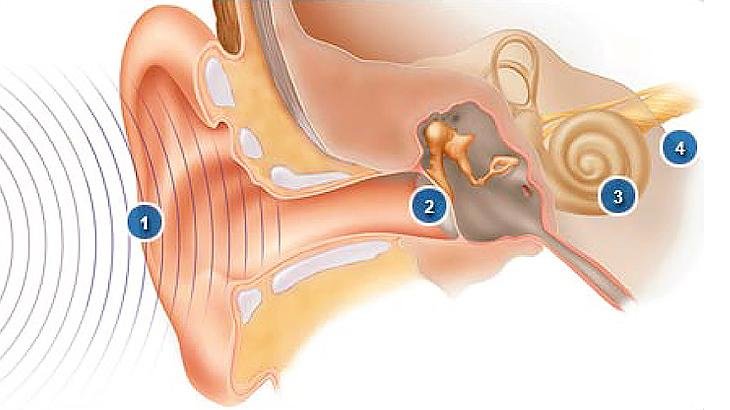
Understanding how natural hearing works is important before explaining how a cochlear implant works.
A cochlear implant is a surgically implanted electronic device that helps people with severe to profound hearing loss. It bypasses the damaged inner ear and directly stimulates the auditory nerve, allowing individuals to perceive sound. Unlike hearing aids, which amplify sound, cochlear implants replace the function of damaged hair cells in the inner ear, enabling the brain to interpret sound signals. They don’t restore hearing. Instead, they improve your ability to understand speech and hear more sounds better as well as clearly. Adults and children who receive cochlear implants benefit by having speech therapy that helps them relearn how to hear.
Sound waves enter the ear canal and contact the eardrum (tympanic membrane).
After the eardrum picks up the sound, it transmits sound through the three ear bones, known as the hammer (malleus), anvil (incus), and stirrup (stapes). The stirrup passes the vibrations to the inner ear fluids within the cochlea.
Fluid waves travel through two and a half (2 ½) turns of the cochlea and stimulate the cochlear sensory organ, hair cells.
The hair cells are tuned to respond to the wide range of frequencies or pitches of the original sound waves, initiating signals within their corresponding hearing/auditory nerve endings prior to sending them to the brain.
What is a Cochlear Implant?
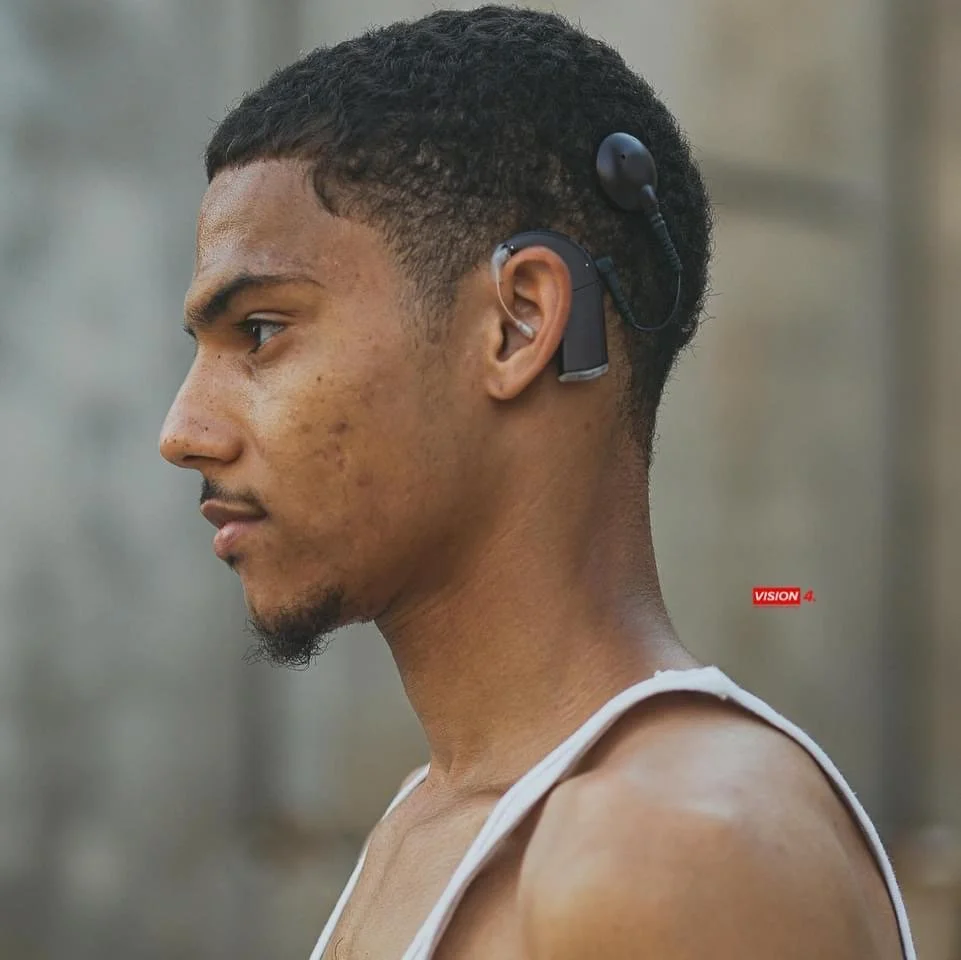
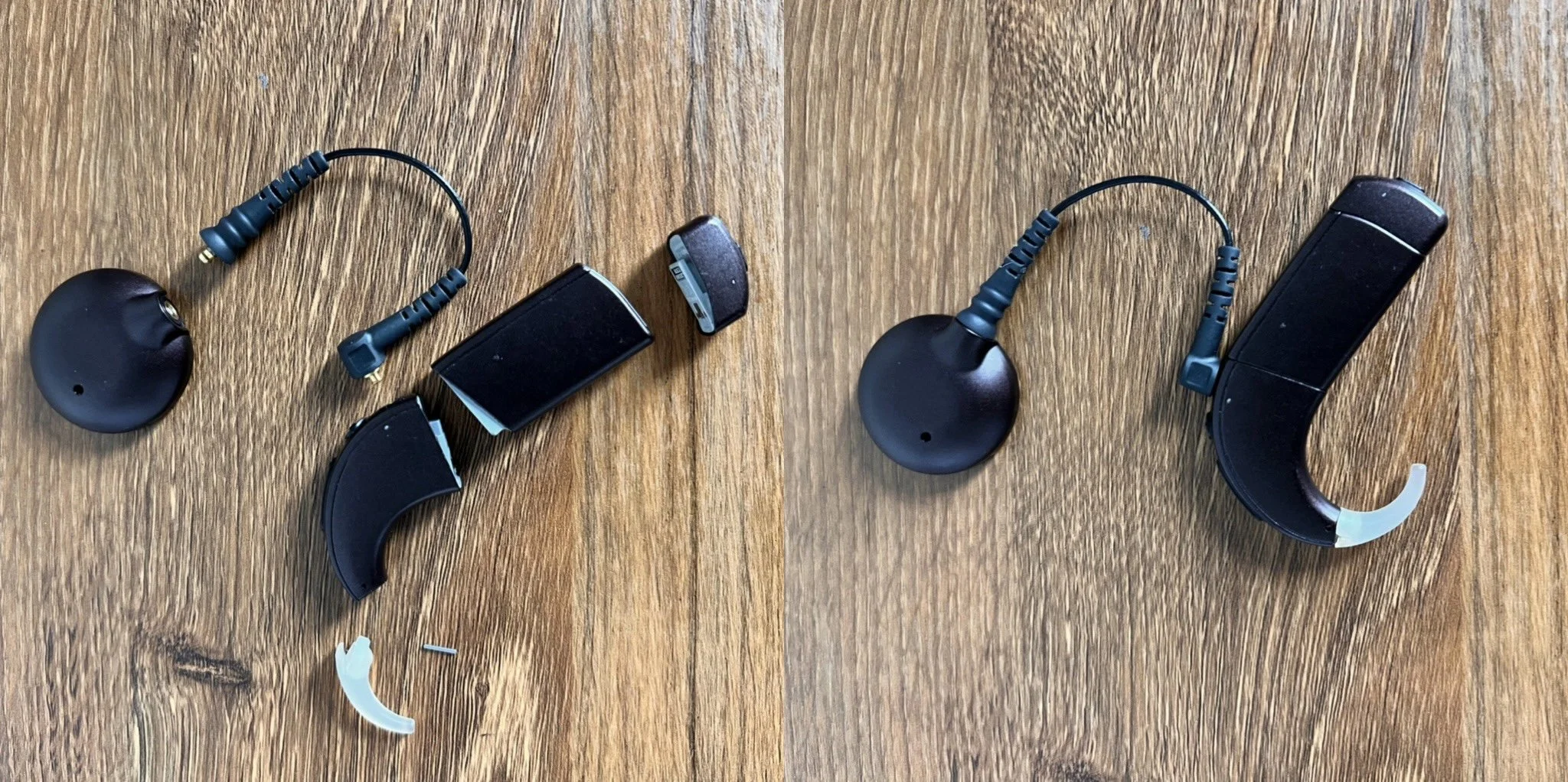
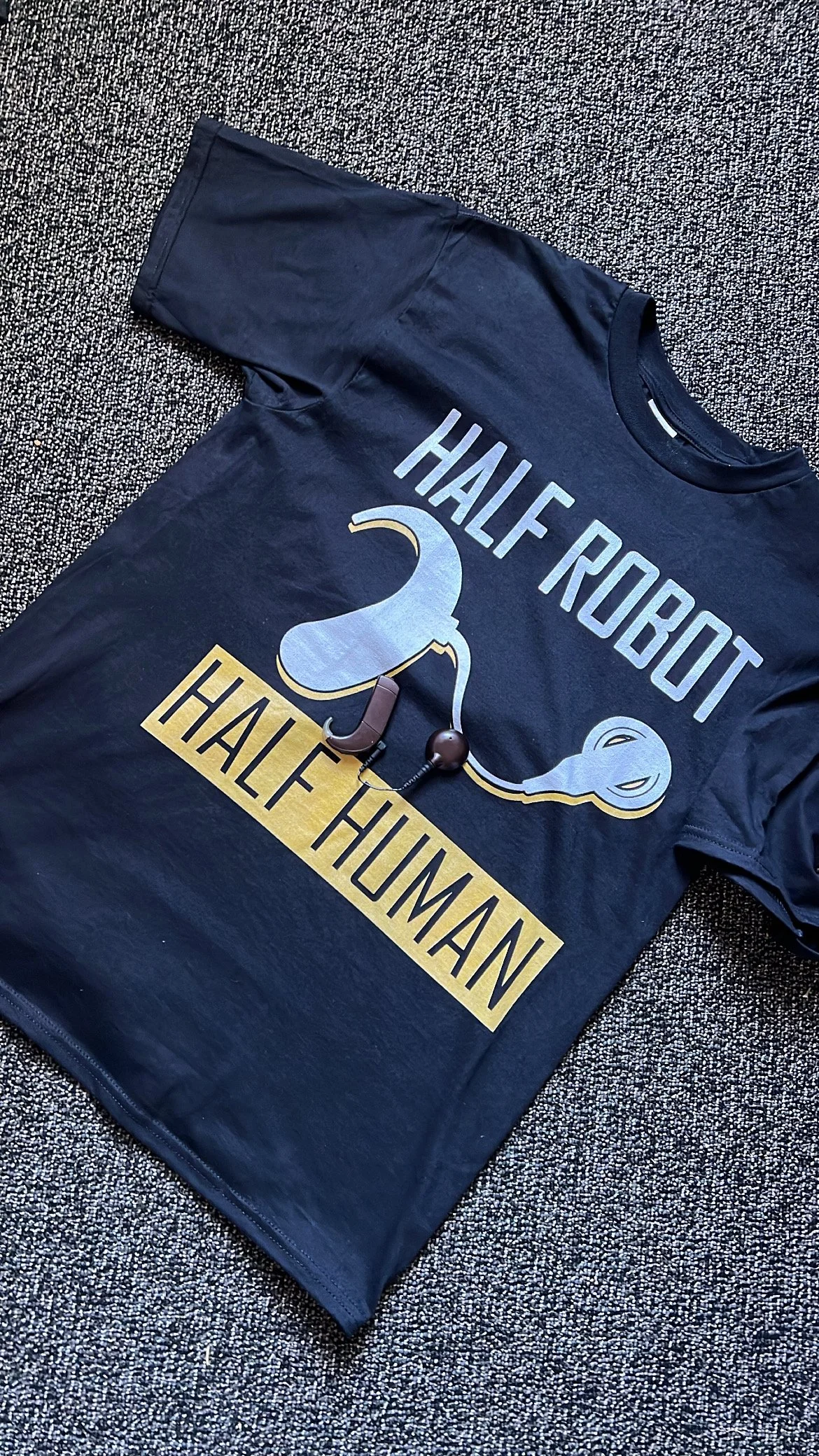
Assembled parts of the Processor
How it works:
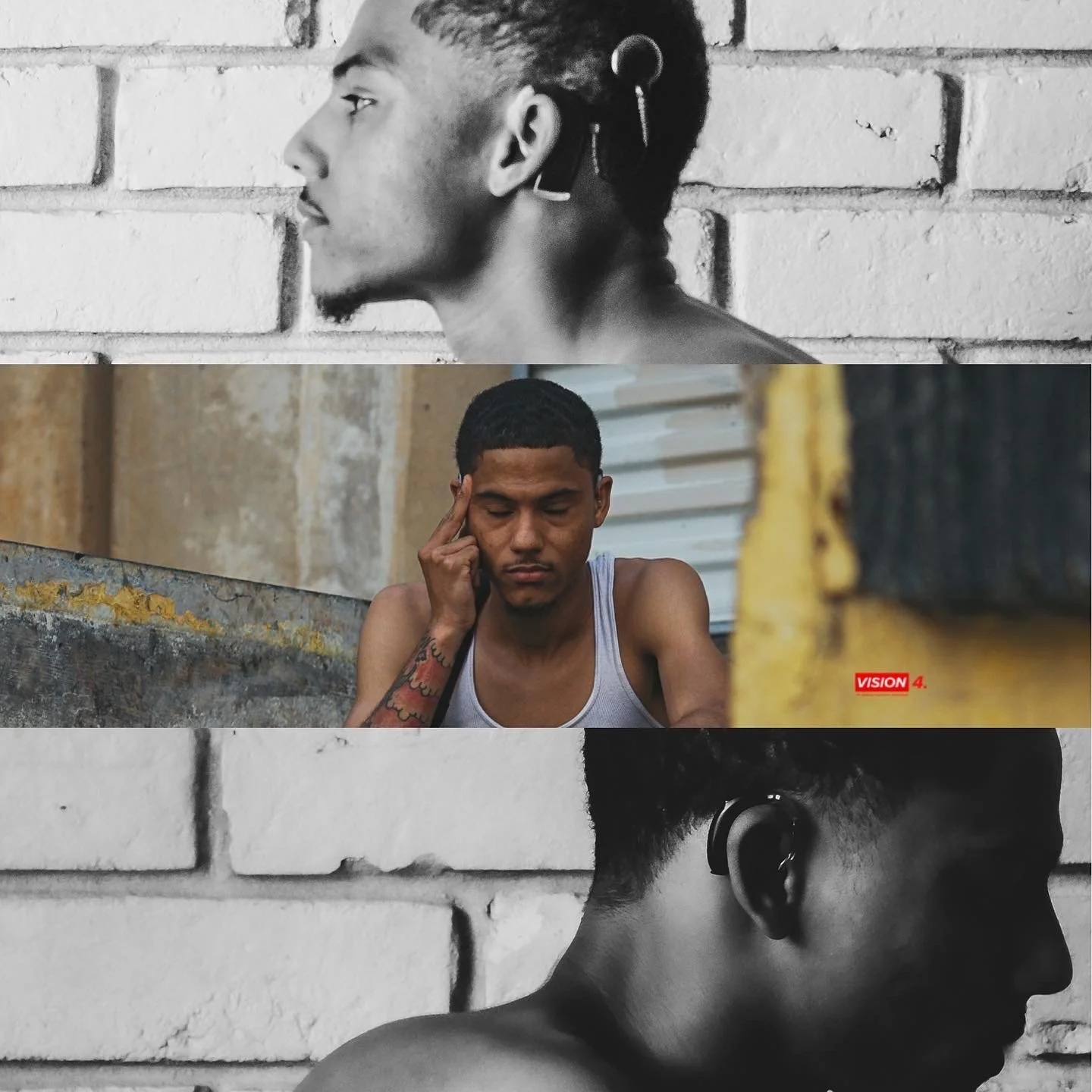
A cochlear implant has two main parts: an external sound processor and an internal receiver/stimulator. The external processor picks up sound, converts it into digital information, and transmits it to the internal receiver/stimulator. The internal device, placed under the skin behind the ear, receives the signals and sends them to electrodes that are inserted into the cochlea (inner ear).
Not a perfect solution:
While cochlear implants can greatly improve hearing, they don't restore normal hearing. The sound quality may not be as natural as with normal hearing due to the limited number of electrodes.
Who benefits:
Cochlear implants are often recommended for individuals with severe to profound hearing loss who have not found adequate benefit from traditional hearing aids. They can also be beneficial for children with hearing loss who struggle with developing language.
What are the risks?
Risks specific to cochlear implant surgery:
Loss of natural (or residual) hearing in implanted ear
Greater chance for infection around the brain and spinal cord (known as meningitis)
Facial nerve stimulation resulting in involuntary facial twitching
Swelling (inflammation) / Pushing or thrusting out (extrusion) of device
Soreness, redness, breakdown of skin in area around device
Failure of implanted device, sometimes requiring reimplantation
Risks with any ear surgery:
Numbness / tenderness around the ear
Injury to the facial nerve / facial paralysis (facial drooping)
Taste change (dry mouth or metallic taste in mouth)
Leak of inner ear fluid (perilymph) or fluid that surrounds the brain (cerebrospinal fluid)
Dizziness or vertigo
Ringing in the ears (tinnitus)
Local complications such as blood/fluid collection or infection at or near surgery site
Rashes (skin reactions)
General risks:
Post-surgery pain, scarring, bleeding, and infection
Risks associated with being put to sleep or general anesthesia (problems with the heart, lungs, kidneys, liver, and brain due to general anesthesia)
Resources:
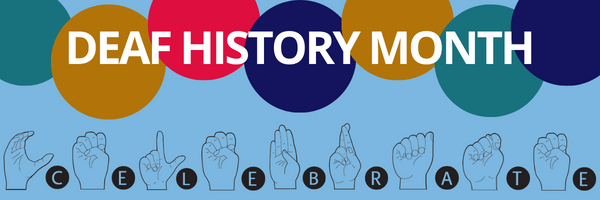
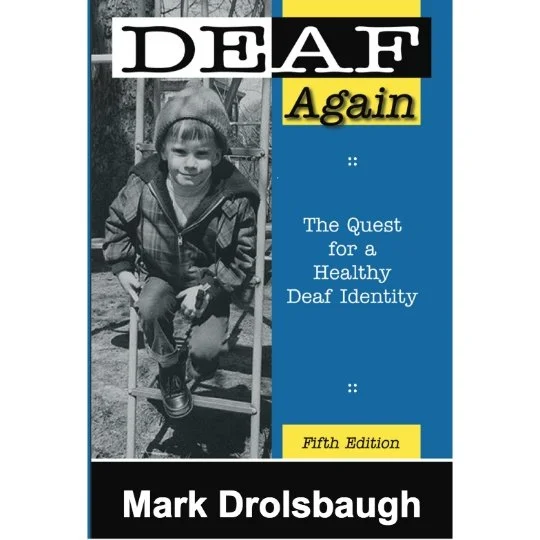
National Deaf History Month: Celebrated from March 13 to April 15 2025. Although National Deaf History Month is not a federally recognized holiday, it’s a time to raise awareness about the deaf community and their struggles in our society. The month also focuses on honoring the immense contributions of deaf individuals and the deaf community to our country: the first deaf school, Gallaudet University, and more. During this month, we also get to learn more about the ongoing advocacy work many organizations undertake to make life easier and more inclusive for deaf and hard-of-hearing individuals.
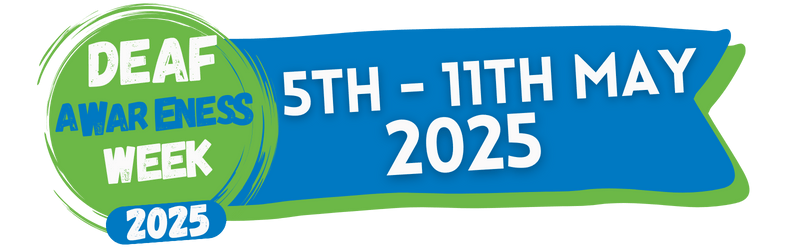
Deaf Awareness Week: Celebrated from May 5th to 11th 2025.

Deaf Awareness Month is in September 2025. Deaf Awareness Month takes place in September every year.
NYC.gov/deafawarenessmonth
Key points:
Focus:
To raise awareness about deafness and the unique experiences of Deaf individuals.
Purpose:
To celebrate the Deaf community and their contributions, as well as advocate for accessibility and inclusion.
Significance:
To break down communication barriers, common misconceptions, and encourage greater understanding of the diverse ways in which Deaf and hard-of-hearing people communicate with the hearing world.
Knowledge is power when applied

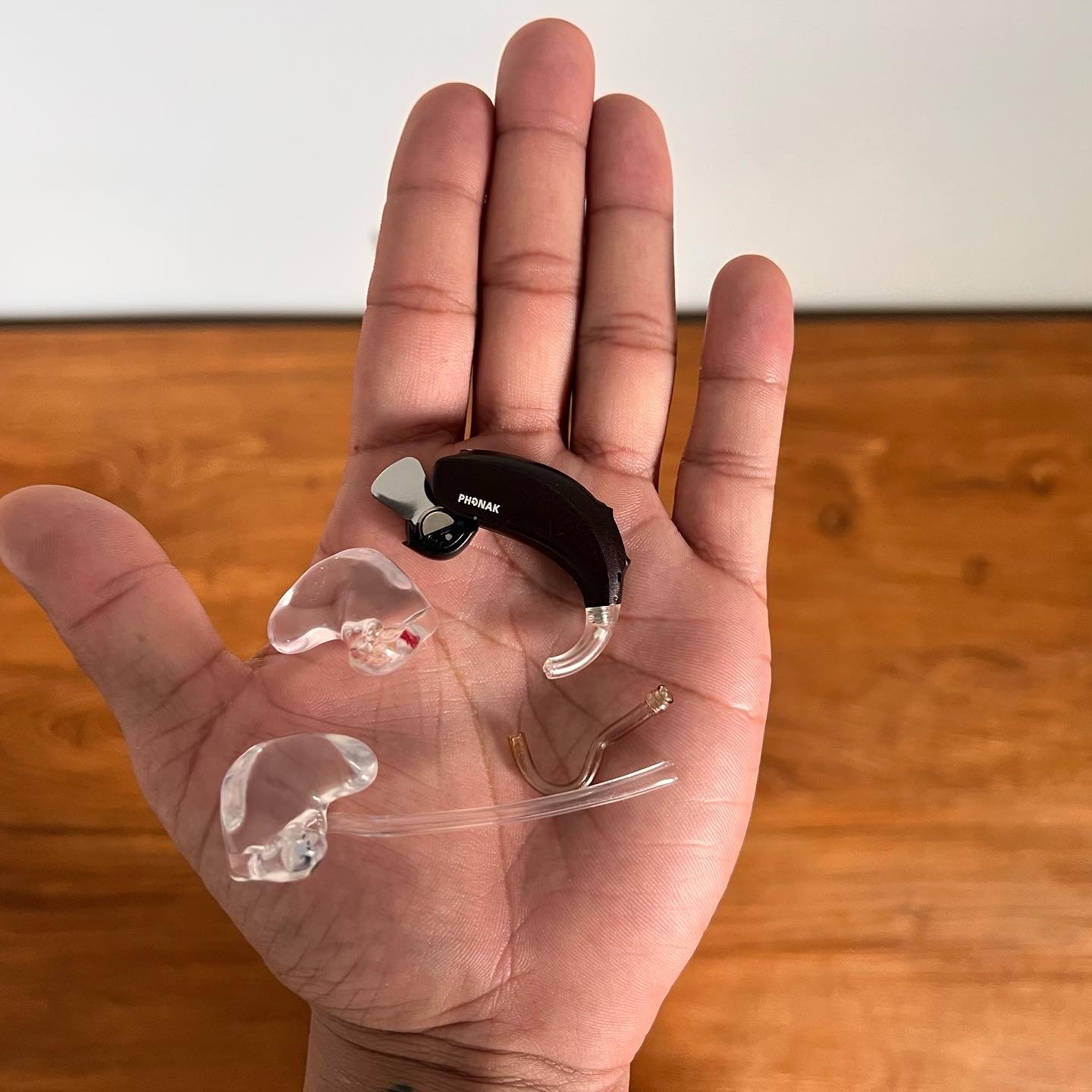
Hearing-aid for my right ear
What’s the difference between a cochlear implant and hearing-aid?
Cochlear implants send signals directly to the brain.
Hearing aids amplify sound.
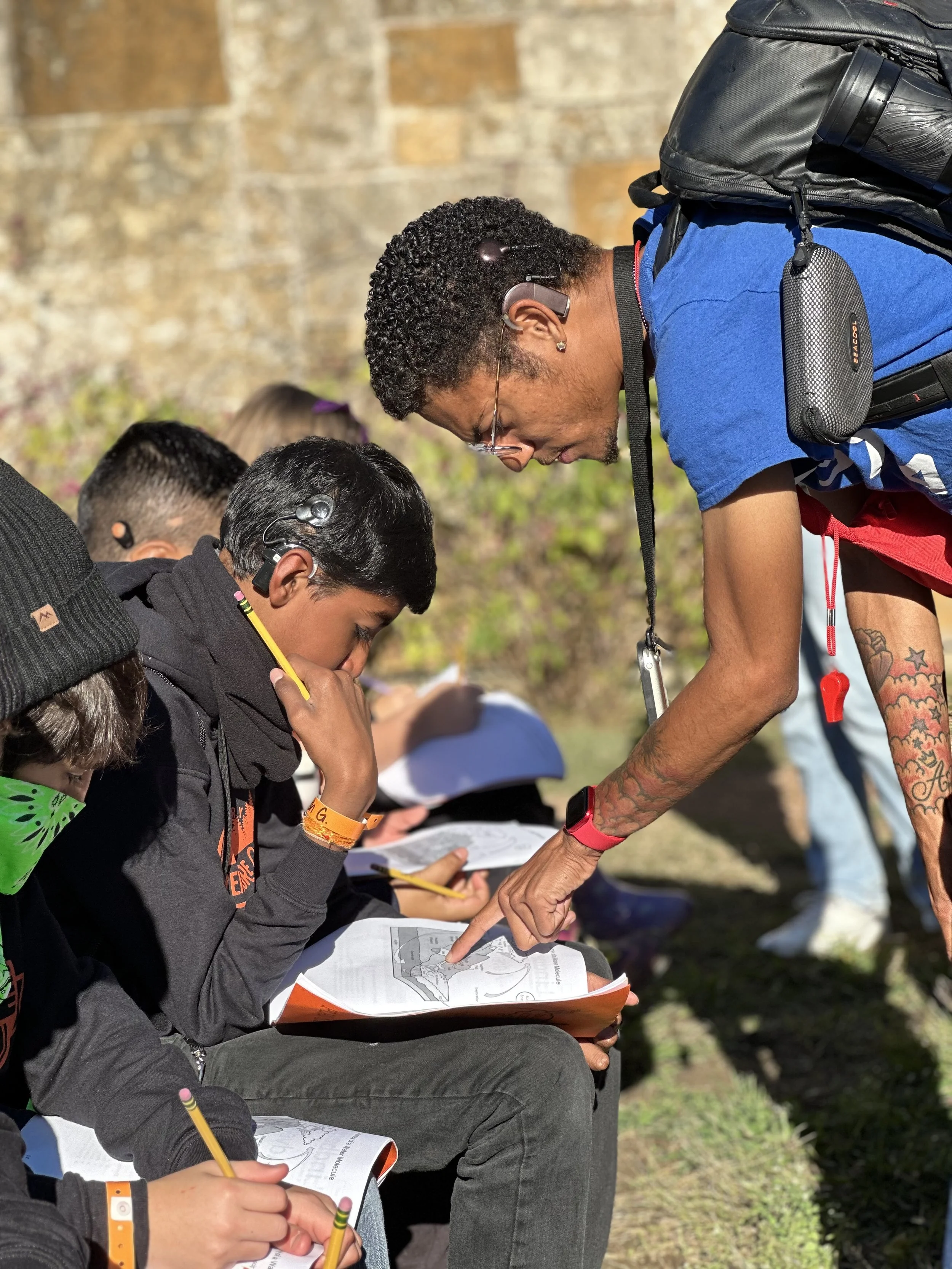
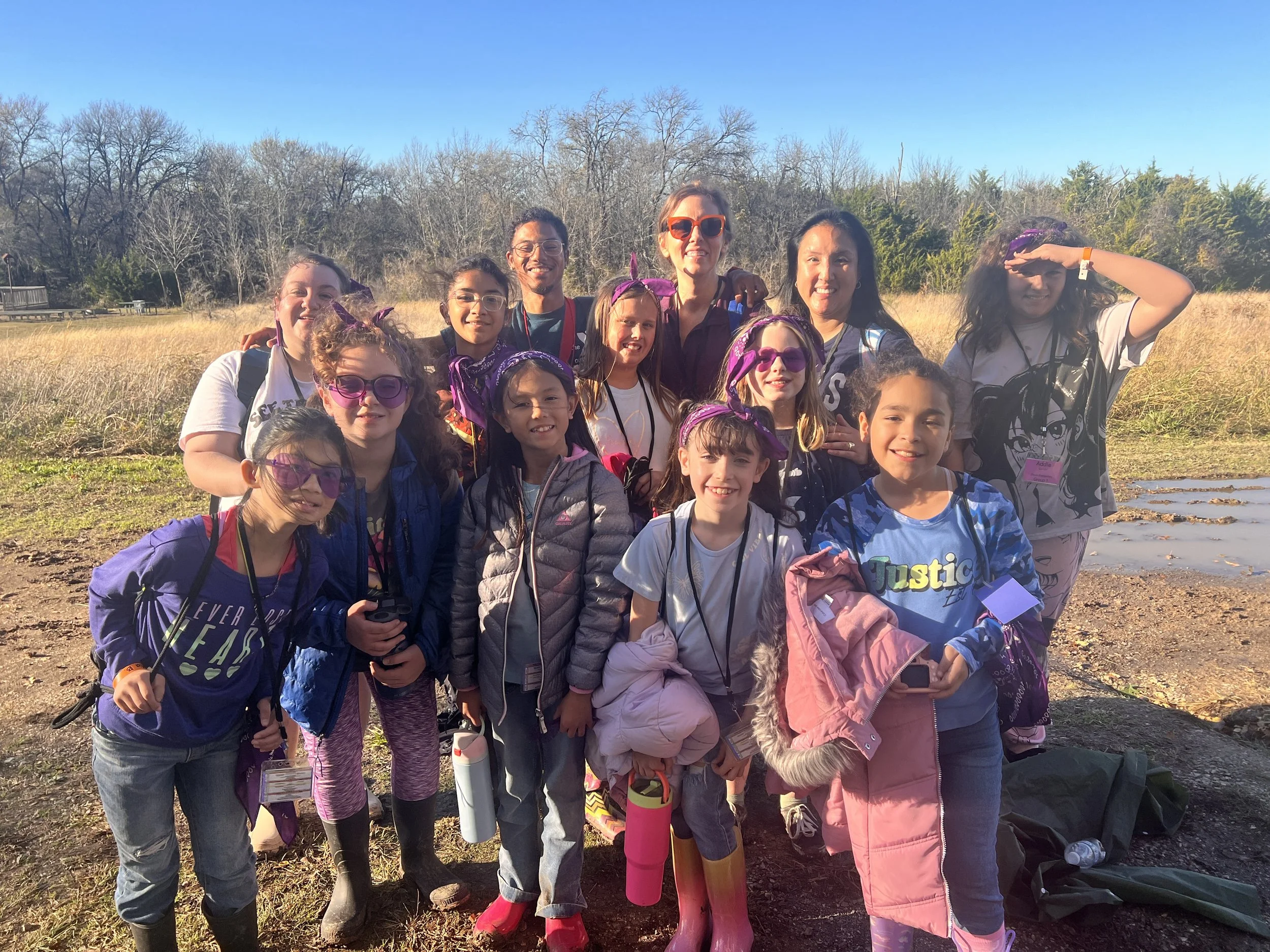
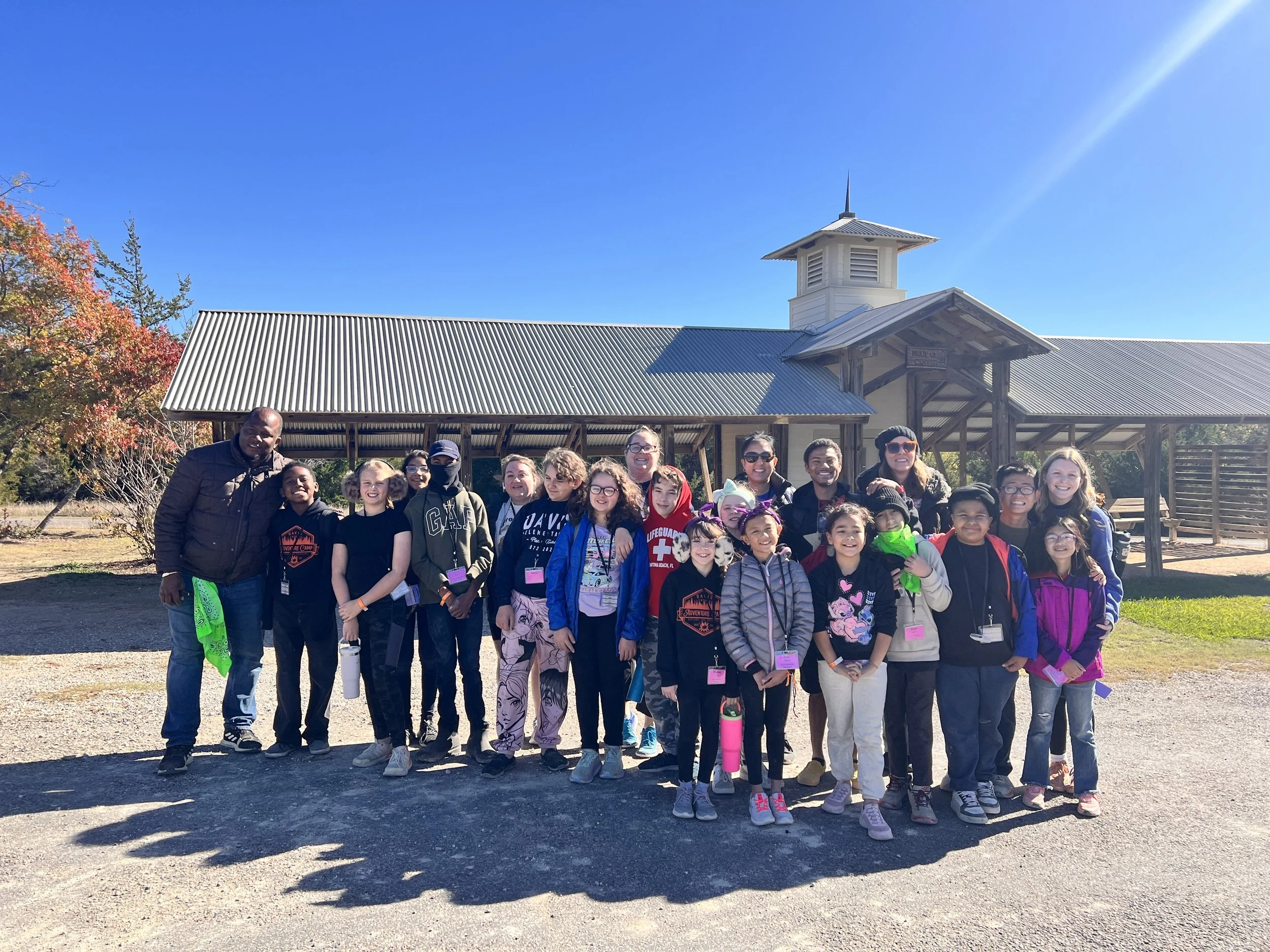
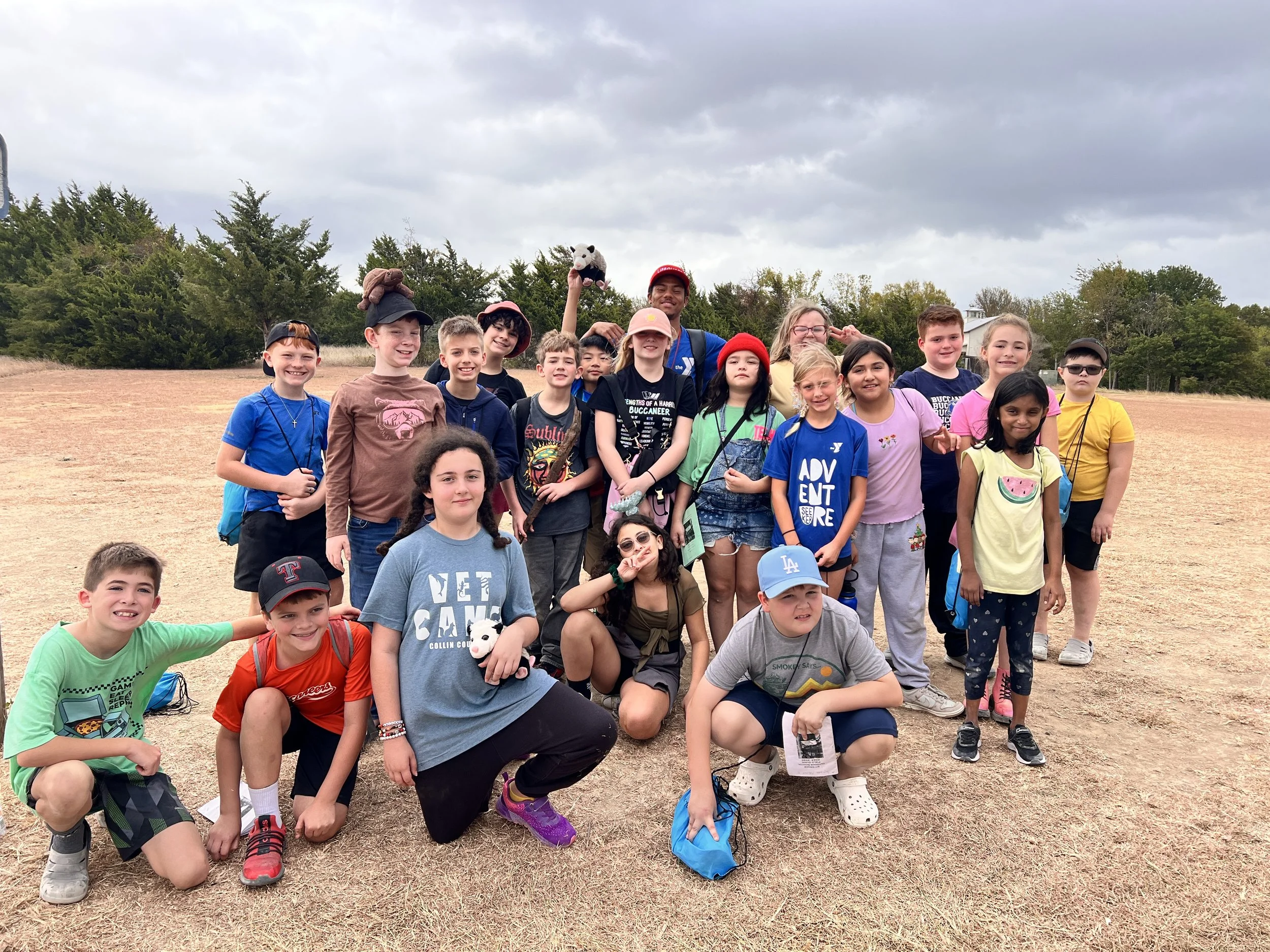
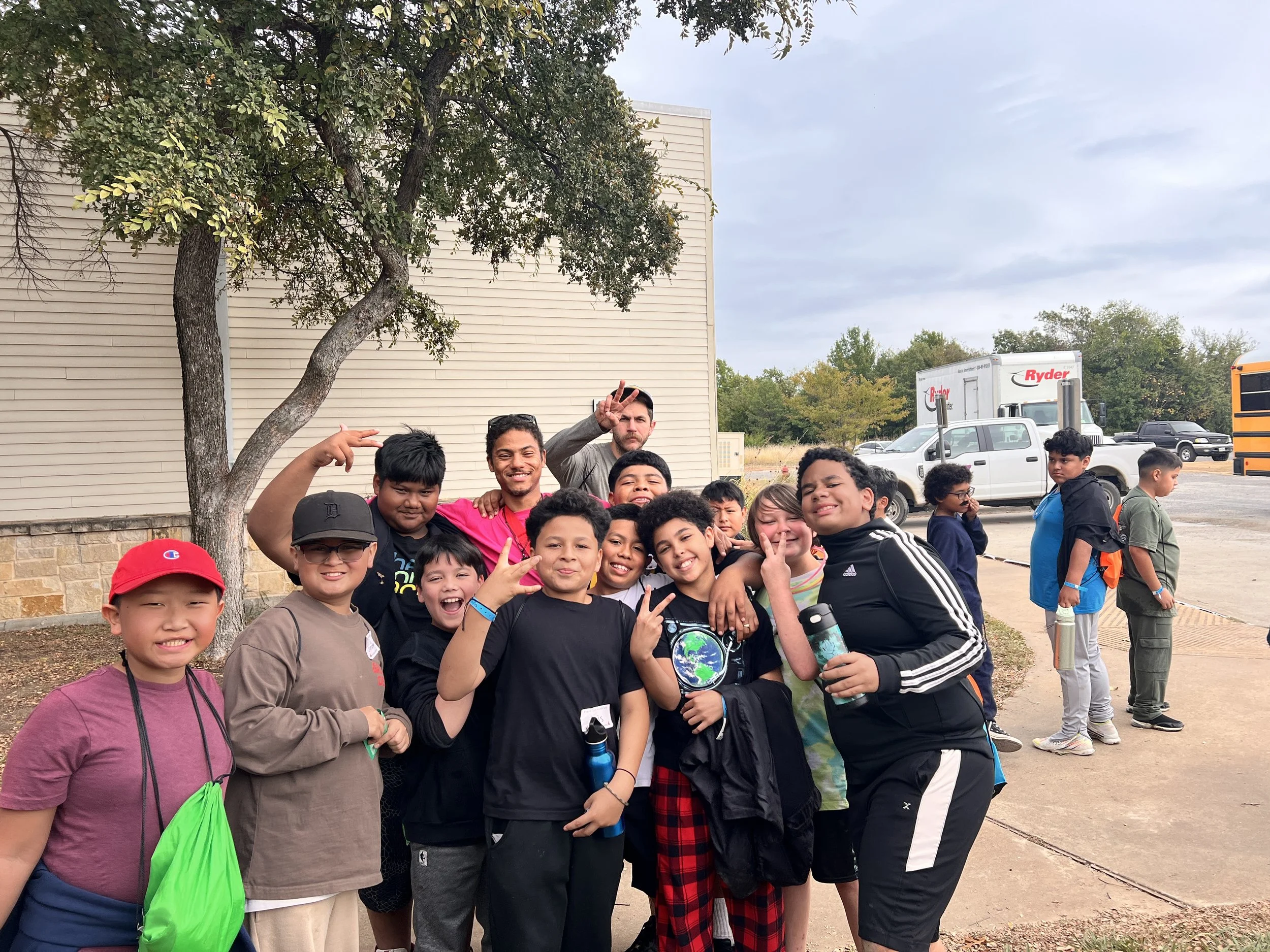
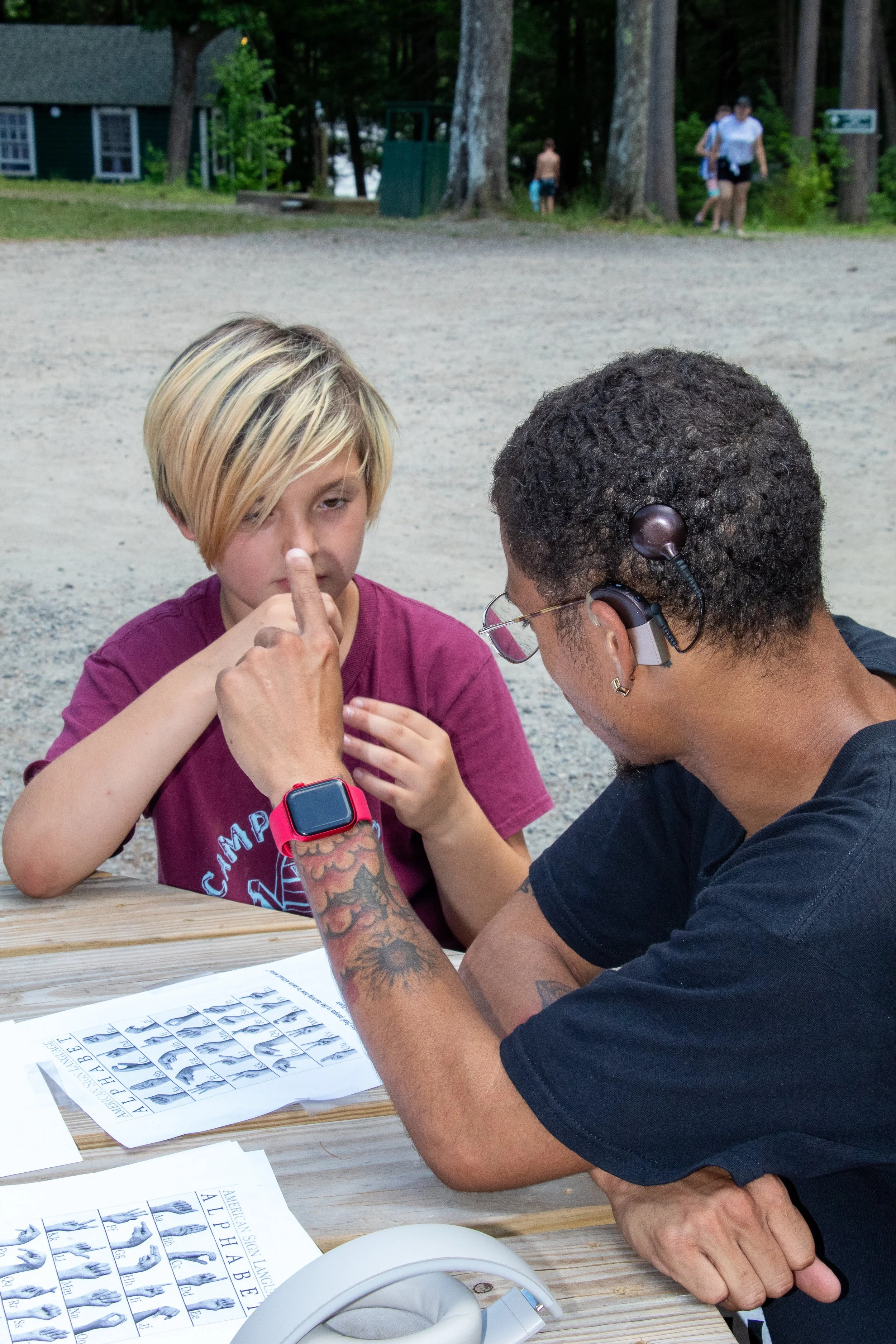
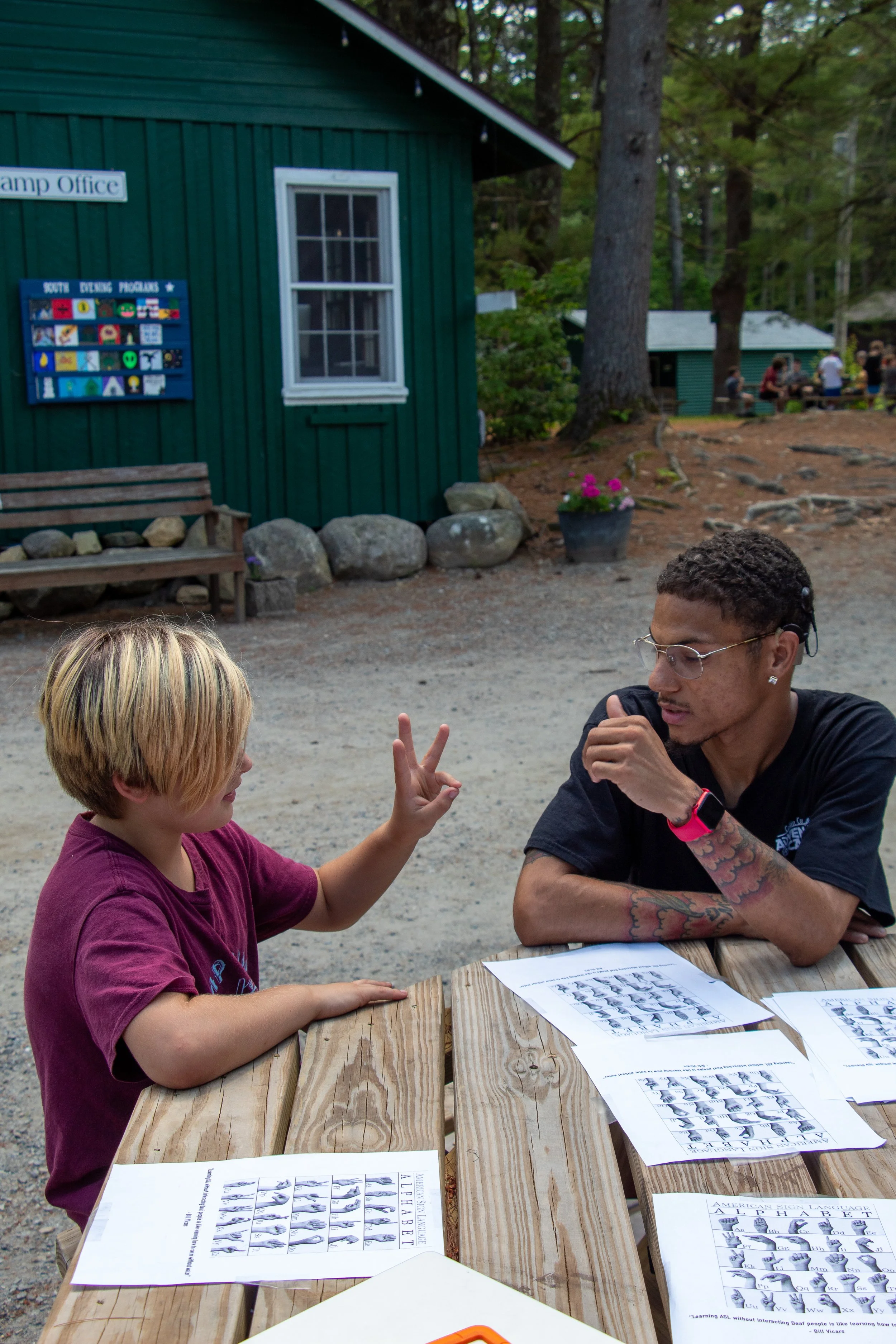
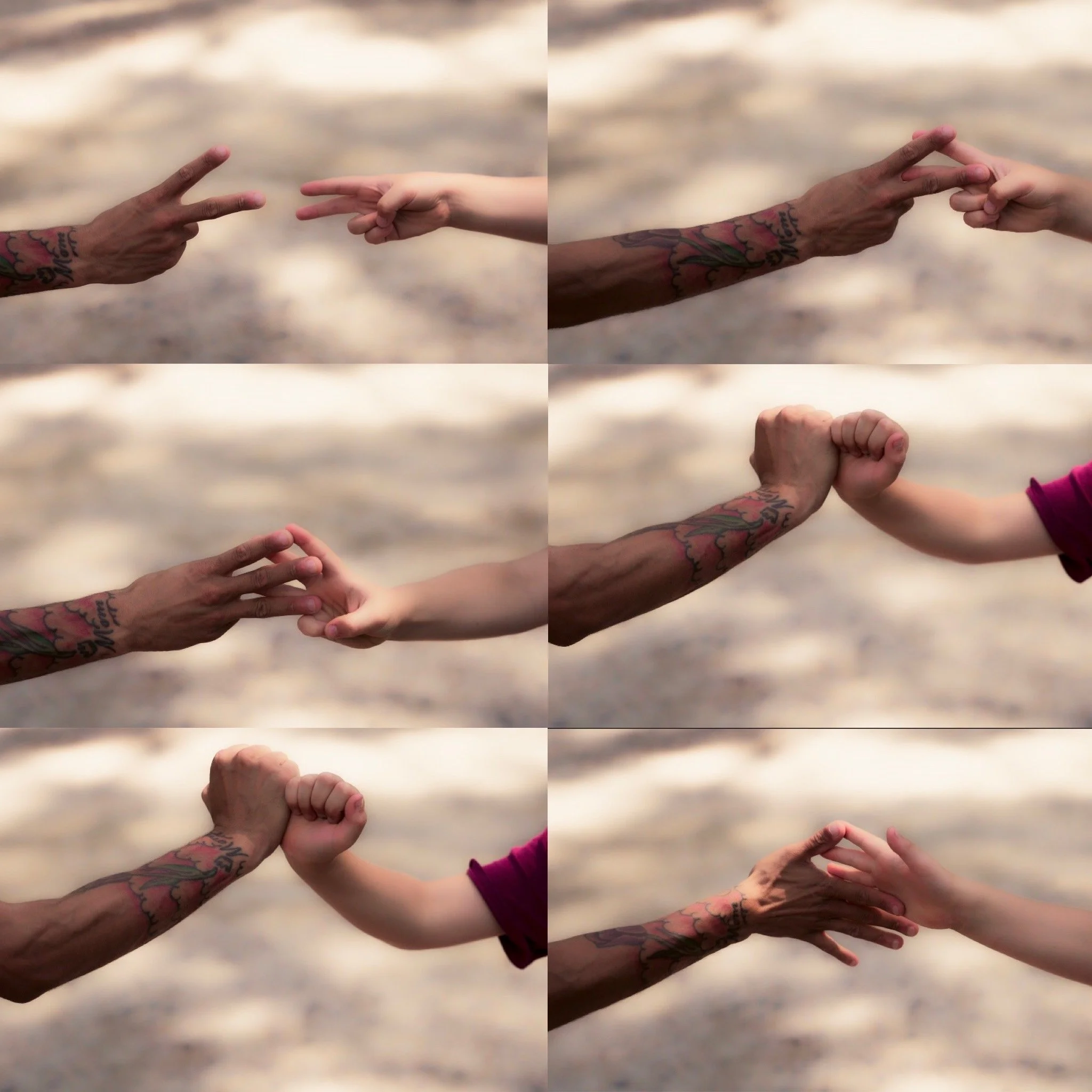
P.J. teaching Takodian Camper D.J. how to sign at YMCA Camp Takodah
& Now you’re wondering…
What is DEAFinitelyDope?
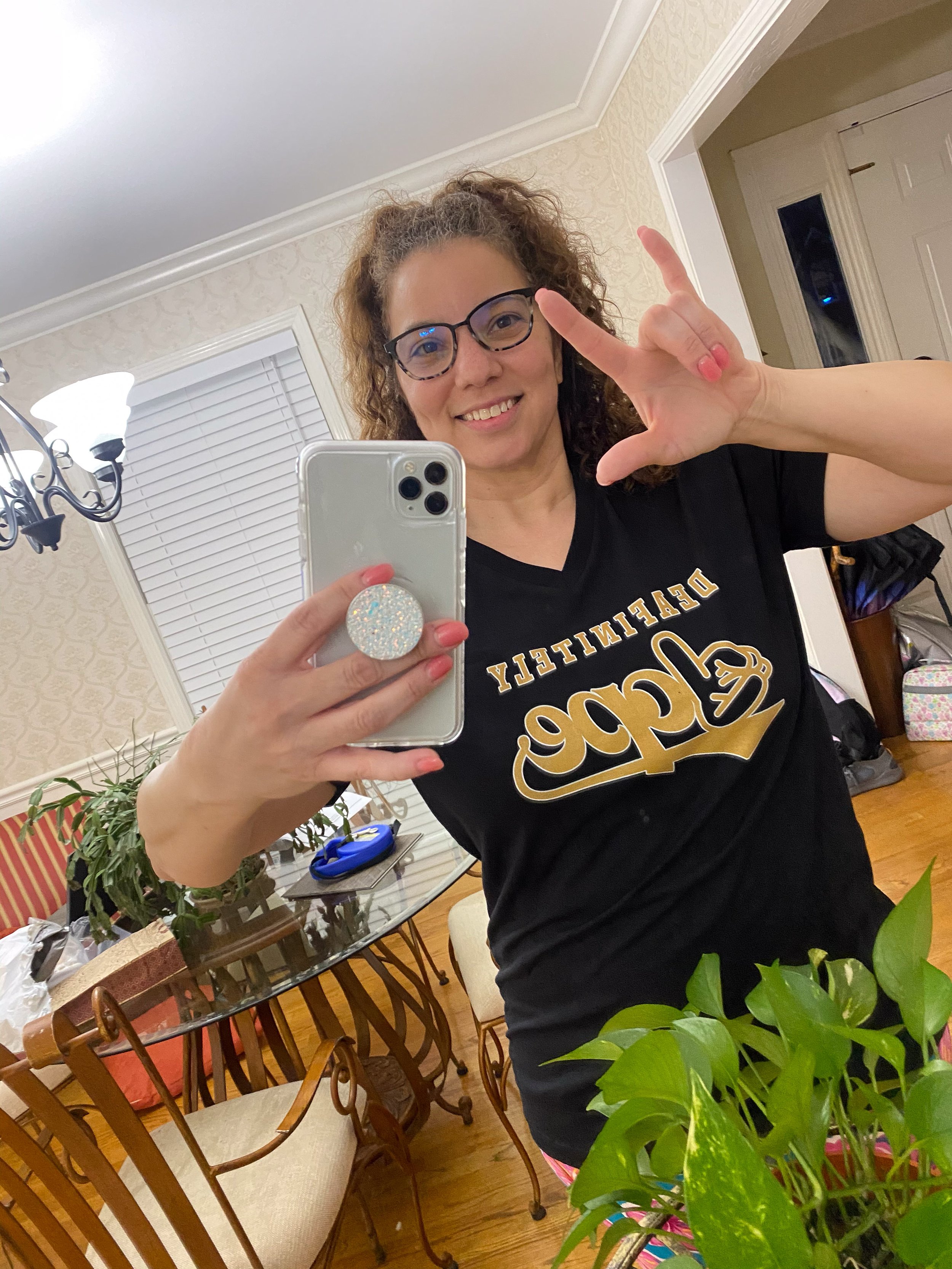
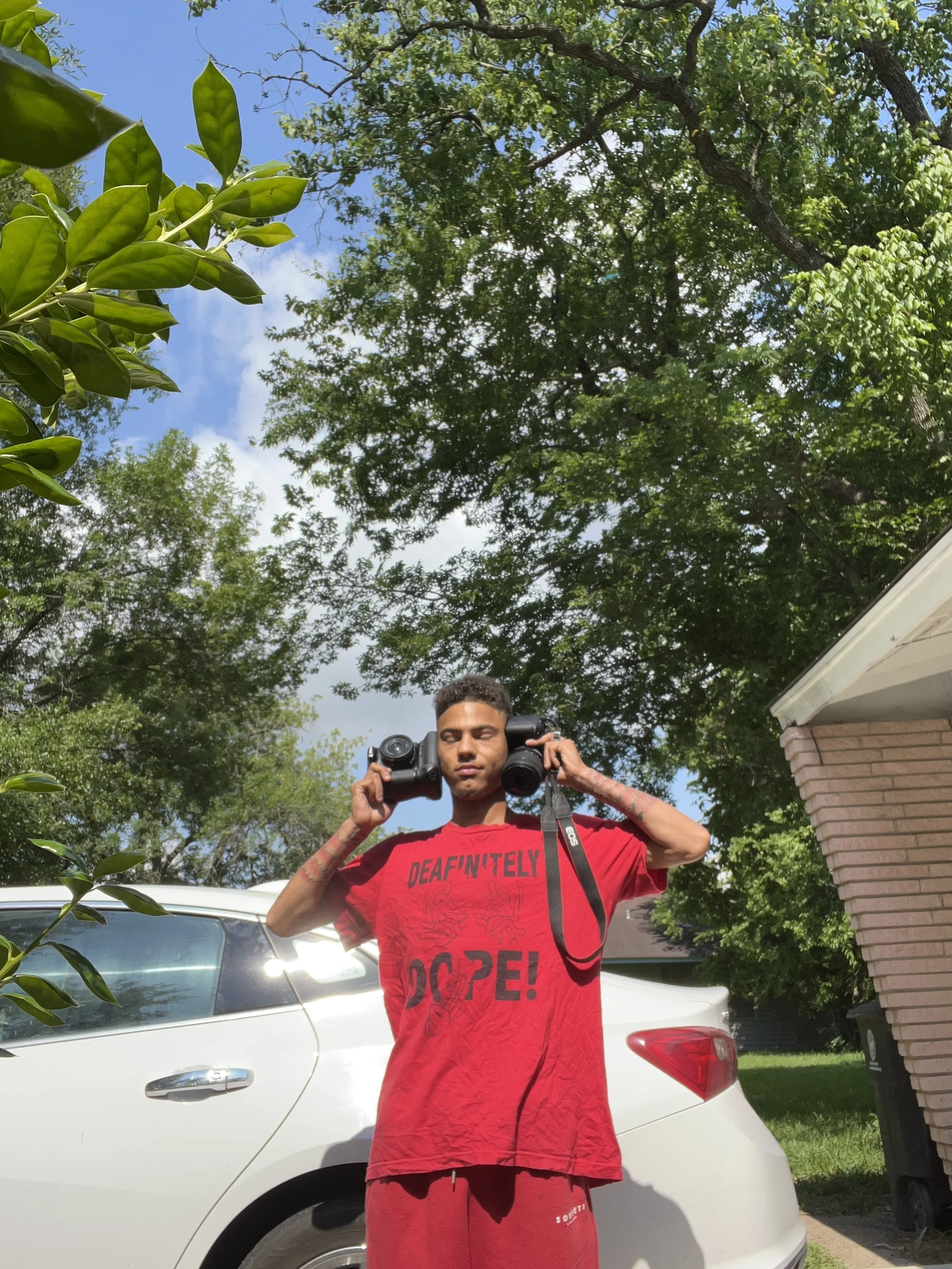
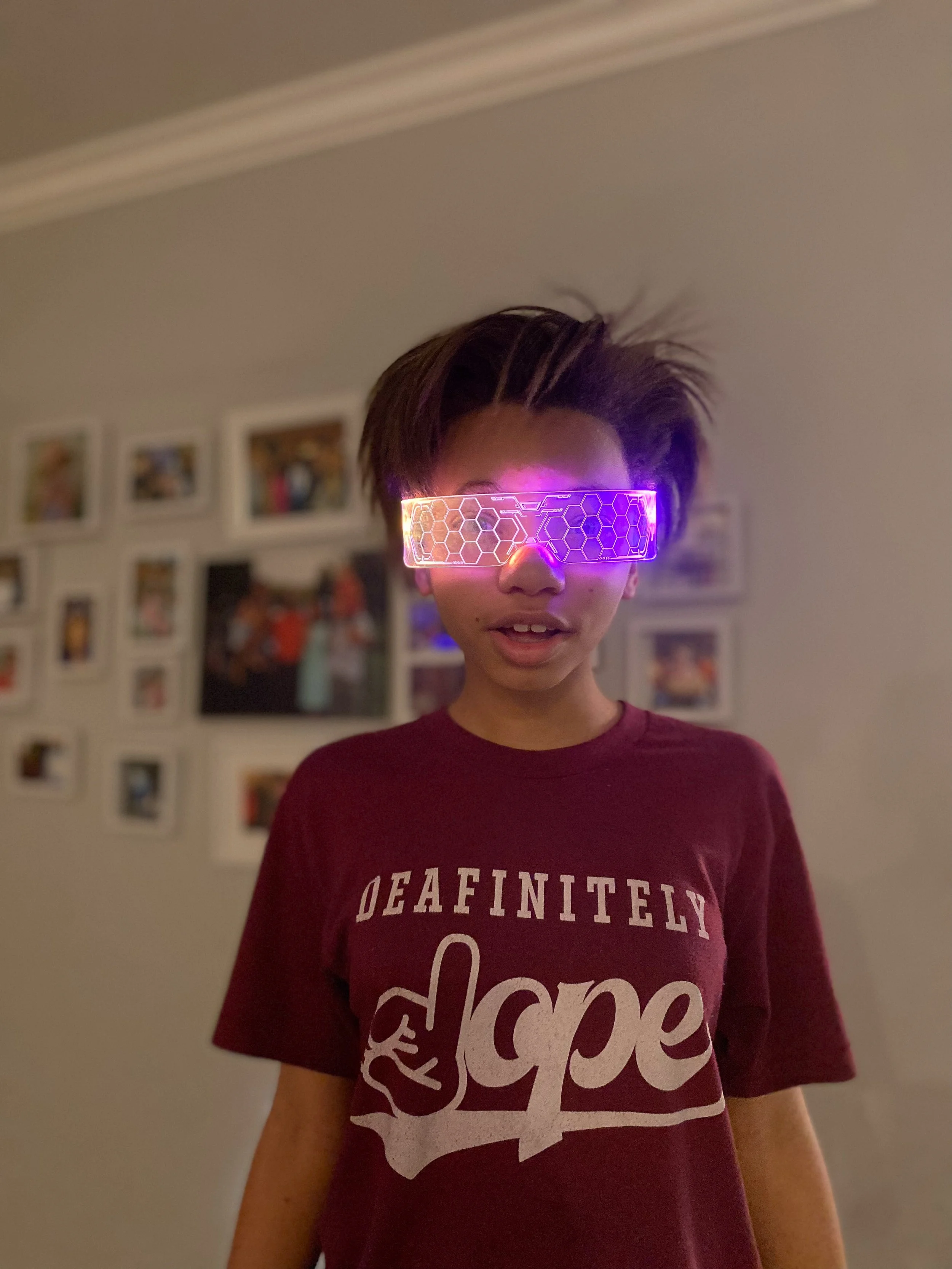
Deafinitely Dope is a movement founded by Matt Maxey that bridges deaf culture and hip-hop through sign language, music, and advocacy. Focused on accessibility, empowerment, and self-expression, the brand uses performance, education, and storytelling to celebrate the deaf community and bring music to everyone.
Learn More Here:
Who is Matt Maxey?
https://deafinitelydope.org
Youtube Channel/@DEAFinitelyDope
The Source: DeafinitelyDope Brings Hip-Hop to the Deaf Community
“Besomeone is a positive forward thinking movement that actively engages in trying to achieve who you really want to become every single day.”